

E20A8391

PROGRAMM

Plastic fishing

Back

Learning by doing

What students gain

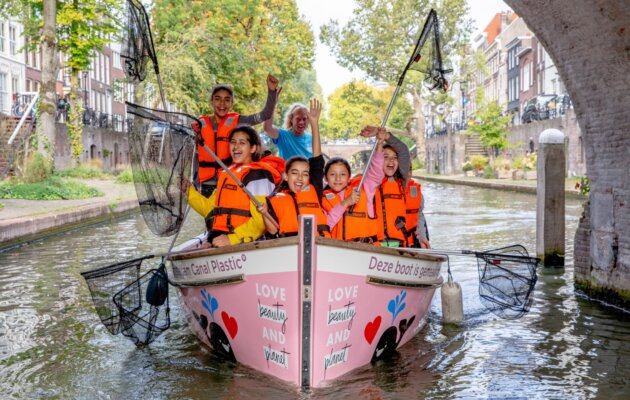
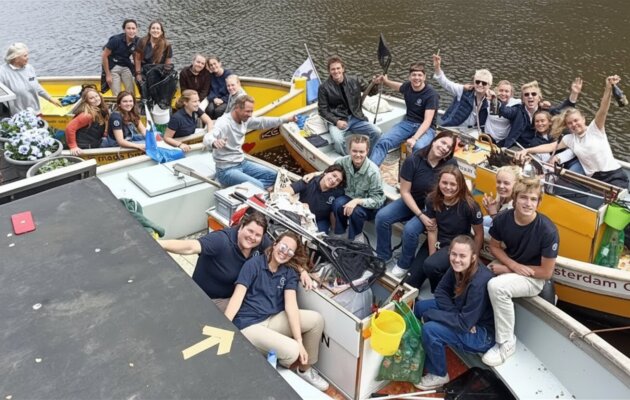
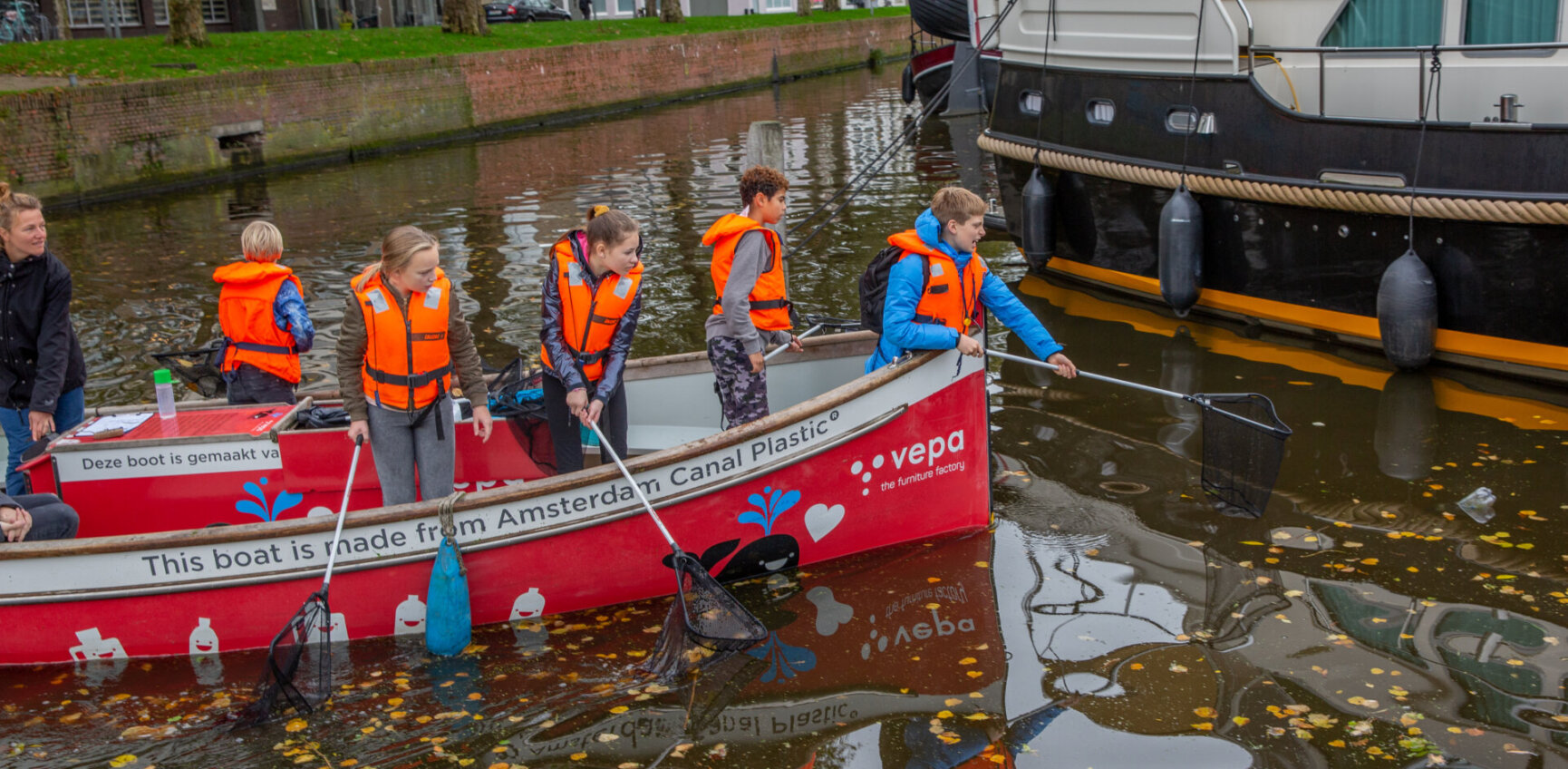
Plastic Fishing is an interactive programme where kids and students experience sustainability in a fun, tangible way. Armed with nets, gloves, and curiosity, students head outside to “fish” plastic waste from the canals and waterways. They get to experience first-hand how everyday choices affect rivers and seas and how they can be part of the solution.

  • PWF_white_pig-1-white
    Program Costs

    Our programmes are made possible through generous donations and partnerships. This allows publicly funded primary schools to participate free of charge, while secondary schools, students and other education institutions can join at a reduced, accessible rate.


  • PWF_white_two-people-4-white
    For which age groups?

    Our programmes are suitable for all ages. Plastic Fishing is especially popular with kids from groups 7&8 onwards, whilst all students enjoy the focus on fun, discovery and awareness. For secondary school students and university groups, we dive deeper into causes, solutions and circular thinking.


  • PWF_white_house-2-white
    Time & Location

    The activity takes around 2 hours. This included a short introduction, the hands-on activity, and time to reflect together. Plastic Hunting takes place at selected locations, mainly in and around Amsterdam. Plastic Hunting can be organised on or near the school.


water

Our PROGRAMS

Plastic fishing

Children remember what they do. By actively taking part – on the water or on land – students don’t just learn about plastic pollution, they experience the solution. This creates pride, ownership and motivation that lasts well beyond the activity itself.

  • 13,453+

    Graduates

  • 79+

    Schools

  • 4.312kg+

    Plastic removed

Book now for primary Schools

Kids from groups 7 & 8 onwards
Boats with skippers | Min.24 kids
2 hours | Free for public schools

Book now for older students

High Schools & Students
Amsterdam and around
2 hours | €30

Brief

A Quick Guide for Parents
and Educators

We’ve gathered the most important information into a clear, easy-to-read one-pager for parents and educators. Download it and feel free to share it with your school today!

FREQUENTLY ASKED QUESTIONS

Have Questions?

  • We provide one experienced skipper for each boat. The school requires one teacher or supervisor per boat to participate and support the group (one supervisor for every 8-9 children). This ensures the activity remains safe, educational, and enjoyable for everyone.

  • Thanks to donors, publicly funded primary schools in the Netherlands can participate for free. Secondary schools, students, and private educational institutions are welcome at a reduced and accessible fee.

  • Yes. Safety is our top priority. Each activity is supervised by a professional skipper from the Plastic Whale Foundation. We also ask schools to bring one teacher or supervisor per boat (approximately one supervisor for every 8-9 children). Children aged 12 and under must always wear a life jacket. Life jackets are available and optional for older children. The activities take place at carefully selected locations, and children are not allowed in the water.

  • Our programs are suitable for all children from 9 to 13 years old. Plastic Fishing is especially popular with grades 7 and 8, as it allows students to fish independently and engage in meaningful discussions about waste and solutions.

    Students in this age group are curious, energetic, and ready to think critically about environmental challenges while enjoying an active experience on the water.

  • Plastic Fishing takes place on the water, primarily in and around Amsterdam. Students fish plastic from canals and waterways using dip nets. Plastic Hunting takes place on land—around the school, in a playground, or in a nearby park. Both programs focus on awareness, collaboration, and positive action.

  • We provide all the equipment: nets, gloves, safety gear, and rain ponchos in case of rain. Students only need to wear weather-appropriate clothing and sturdy shoes. Getting a little wet or muddy is possible—that’s all part of the adventure.

  • We’re keeping a close eye on the weather. Rain isn’t usually a problem – we have rain ponchos! In the event of unsafe conditions (such as strong winds or storms), we’ll contact you in a timely manner to schedule an alternative or new date.

  • All collected waste is sorted together with the students. This includes not only plastic, but also glass and metal, for example. We use this time to learn about waste separation and circular thinking: waste isn’t just waste; it can be a resource – provided it’s properly separated and processed.

test

Still have questions?

Can’t find the answer you’re looking for? Our team is here to help.

Contact us